THE AUCTION HOUSE FOR DEMOCRACY
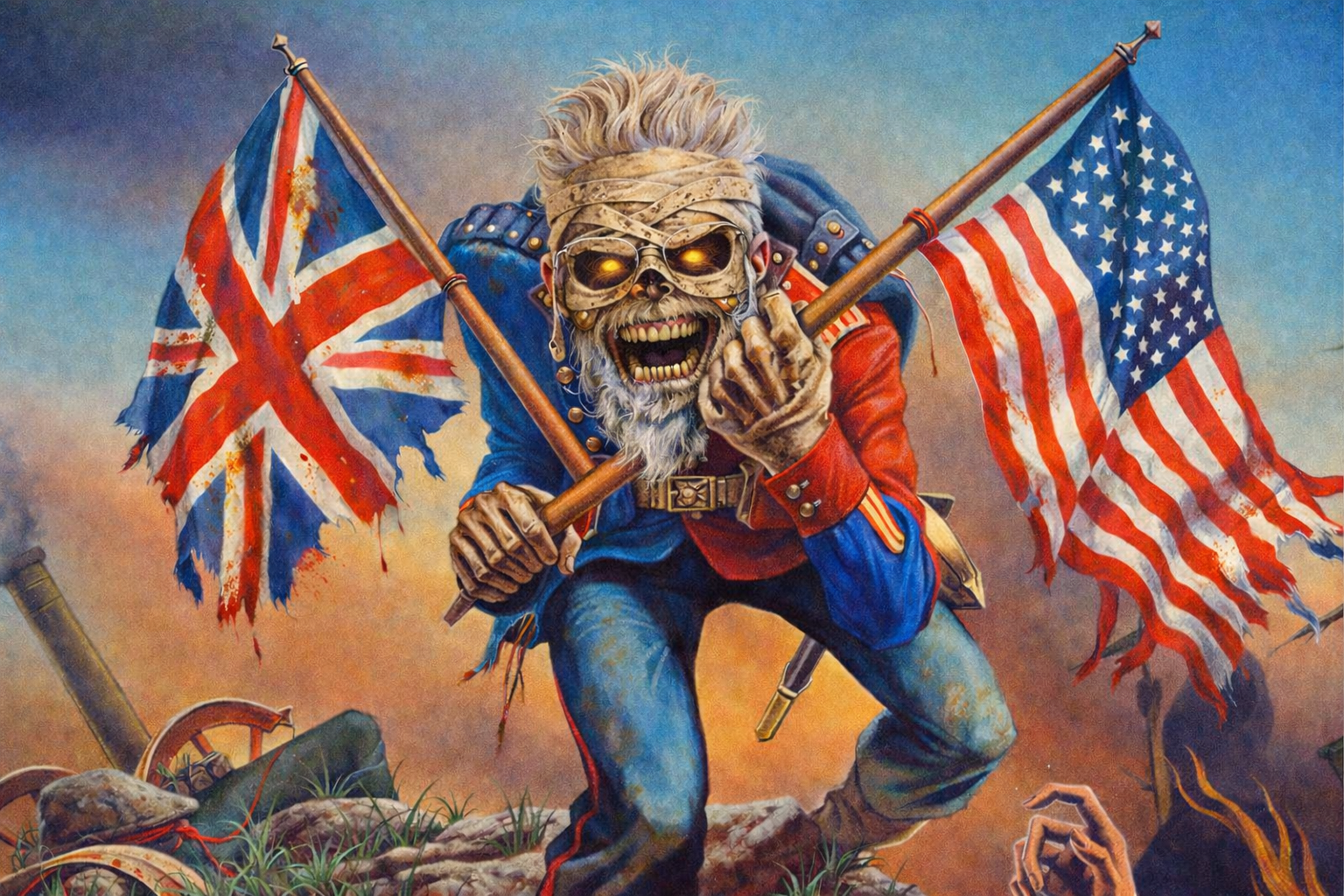
From the moment this country learned to confuse wealth with wisdom, we’ve been living inside a political funhouse where the mirrors are warped, the lights are rigged, and the loudest voices belong to the people who paid for the sound system. We’re told this is democracy, but anyone with a pulse can see the strings; a government that listens with one ear to the people and both hands outstretched toward the donors who keep the machine humming. The tragedy isn’t that the system is broken, it’s that it’s working exactly as those in power designed it to.
There’s a lie woven so tightly into American political life that most people no longer recognize it as a lie at all. It’s the idea that money is speech, that corporations are citizens, and that the wealthiest voices deserve the largest megaphones. We’ve been conditioned to believe the Founders intended for democracy to be auctioned off to the highest bidder, as if the First Amendment was crafted to protect billion‑dollar influence campaigns rather than the voices of ordinary people. Strip away the legal jargon, the patriotic slogans, and the constitutional theater, and the truth becomes impossible to ignore, this isn’t free speech. This is a paid amplification dressed up as a constitutional right. It’s the same game of power and profit that began in the 1800s when railroad barons bought Congress with stock certificates and favors. The only difference is that today’s playing field is digital, global, and engineered to drown out the very people democracy was supposed to empower.
The game hasn’t changed; the field of play has along with the power-tools that are used. Yesterday’s steel and oil have become today’s algorithms and data streams. Yesterday’s backroom deals have become today’s dark‑money networks and political laundromats. Yesterday’s newspaper empires have become today’s media ecosystems, optimized not for truth but for outrage, attention, and profit. The incentives remain identical; power seeks money, money seeks influence, and influence shapes policy. And through every iteration of this cycle, the average American is left paying the price while being told to be grateful for the privilege.
We’re warned that limiting political donations would somehow “hurt democracy,” as if democracy is a fragile organism that only survives when fed a steady diet of corporate cash. We’re told that capping donations would “silence voices,” when the only voices being silenced right now are the ones that can’t afford a lobbyist. We’re told that banning corporate money would “disrupt the economy,” when the only economy at risk is the one built on selling access, favors, and legislative priority to the highest bidder. These warnings aren’t predictions; they reek of confessions. They reveal a political class terrified of losing the financial scaffolding that keeps them in power.
The truth is that fixing this system would not harm the average American in any meaningful way. It wouldn’t raise taxes, shrink paychecks, or destabilize daily life. It also wouldn’t touch anyone’s job, family, or future. The only people who would feel the impact are the ones who have spent generations gaming the system; the politicians who built their careers on donor dependency, the corporations that treat legislation like a subscription service, and the billionaires who view the country as an investment portfolio. The fear they sell is a distraction, a verbal slight of hand. The danger they warn about is a myth. The only thing truly threatened by reform is their control.
Free speech is supposed to be free, it doesn’t require a billionaire’s checkbook or a corporation’s blessing. It does not depend on a PAC, a Super PAC, a dark‑money nonprofit, or a donor network with a patriotic name and a hidden agenda. Free speech is a voice, not a budget. It’s a vote, not a bank account; a citizen, not a corporation. The moment we stop pretending that paid amplification is the same thing as free expression, the entire illusion collapses. The magic trick fails, the curtain drops and the political class is left exposed, pockets turned inside out, stripped of the financial armor they’ve hidden behind for decades. Yet the Supreme Court didn’t see it that way.
Revolutions never begin in marble halls or corporate boardrooms. They don’t start with politicians who benefit from the system or donors who bankroll it. They begin with ordinary people refusing to play along. Not with violence or chaos, but with clarity, with millions of citizens finally seeing the trick for what it is and refusing to applaud it any longer. The revolution begins the moment people stop believing that money equals speech, it begins the moment people stop accepting that democracy is something to watch rather than something to shape. It begins the moment people stop letting politicians hide behind the Constitution while using it as a shield for their donors.
Change happens when people refuse to accept unlimited money in politics as normal. It’s when they demand transparency in political funding, when they support candidates who reject corporate money. It’s when they challenge the idea that money is speech, when they insist on ethics laws with real consequences. It’s when they refuse to be distracted by the partisan circus designed to keep them divided and disoriented. Change begins when people stop letting billionaires buy the narrative and corporations write the rules. It begins when people stop allowing the political class to pretend that reform is impossible. It’s when we stop pretending the two parties are different, they aren’t, not when it comes to monies. The system isn’t unbreakable; it’s simply protected by those who profit from it. The moment enough citizens decide they’re done being spectators, the entire structure shifts.
Because if we don’t tear the money out of politics now, we won’t just lose the country . We’ll watch it sold off piece by piece, wrapped in a flag, blessed with a slogan, and handed to the highest bidder while “We the People” are left standing outside the auction house wondering when we stopped being citizens and became collateral.
